
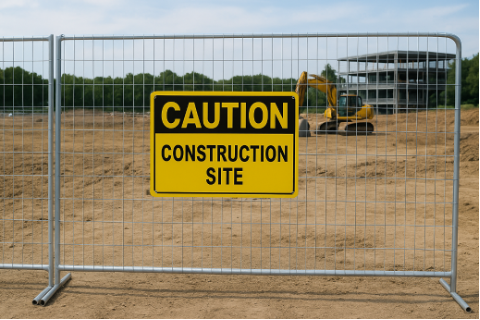
Construction Site Safety: Why Portable Fencing Matter
At Stagecoach Louisiana, we believe keeping a construction site safe isn’t just good practice—it’s required. Whether you’re managing a large commercial build or a small residential project, portable fencing plays a critical role in protecting workers, the public, and your equipment. It’s one of the simplest, most cost-effective tools you can put in place to maintain an organized, compliant jobsite.
Below, we break down exactly why temporary fencing matters and how it supports safety, security, and professional operations.
1. Protecting the Public From Hazards
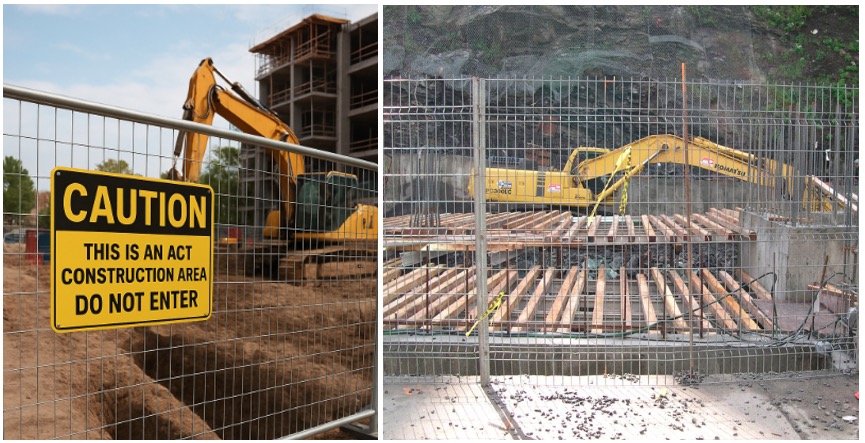
Construction sites are filled with potential dangers—open trenches, heavy machinery, moving vehicles, electrical work, and more. A portable fence clearly defines the perimeter, keeping pedestrians, motorists, and curious onlookers safely outside the danger zone.
This reduces risk of:
- Accidental injuries
- Property damage
- Liability claims
- Unauthorized entry
A defined barrier sends a clear message: This is an active construction area. Do not enter.
2. Meeting OSHA & Local Safety Requirements
OSHA requires employers to prevent the public from accessing hazardous job sites, and local municipalities often mandate perimeter fencing around construction zones.
Portable temporary fencing helps ensure compliance with:
- OSHA’s general safety requirements
- Local city/parish building codes
- Permit conditions
- Industry best practices
For contractors, having the proper fencing in place shows inspectors and clients that the site is being managed responsibly and professionally.
3. Theft Prevention & Equipment Protection
Construction equipment and building materials are prime targets for theft—especially after hours. Temporary fencing provides a first line of defense, making it far more difficult for thieves to access valuable items like:
- Tools
- Copper and wire
- Machinery
- Lumber or metal
- Fuel
- Appliances
Adding gates, privacy screens, or locked entry points increases security even further.

4. Keeping Workers & Subcontractors Safer
A structured jobsite is a safer jobsite. Temporary fencing helps:
- Separate pedestrian walkways from operating machinery
- Create designated loading and staging areas
- Control access points
- Prevent workers from wandering into hazardous zones
- Maintain orderly traffic flow
This reduces confusion and the likelihood of avoidable accidents.
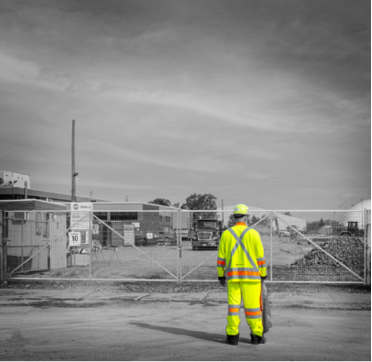
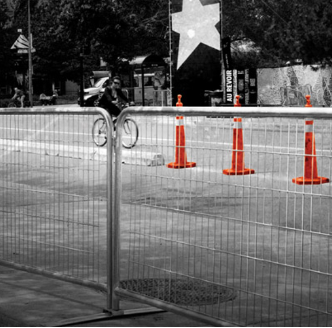
5. Crowd & Traffic Control
In busy urban areas or roadside projects, portable fencing helps direct:
- Sidewalk traffic
- Vehicle detours
- Delivery trucks
- Utility crews
- Emergency access routes
Clear boundaries improve efficiency—and show the public that the job is being handled professionally.
6. Privacy & Dust Control Options
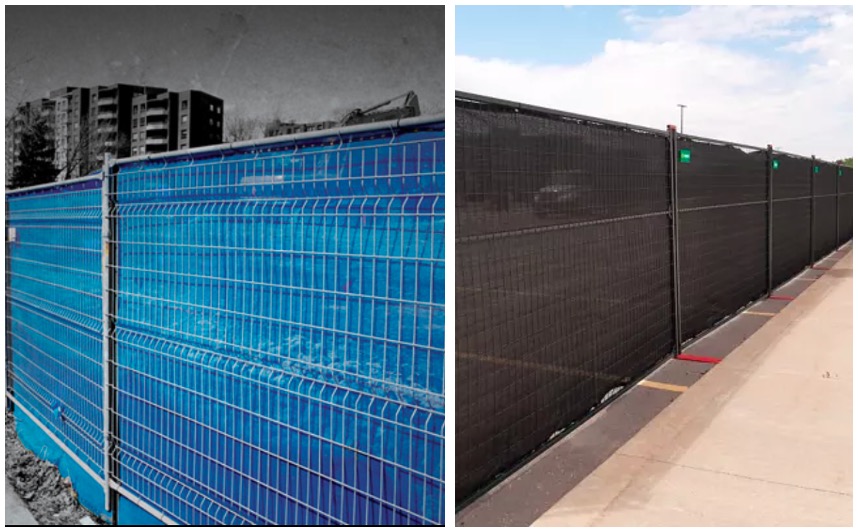
Accessories such as privacy screens, scrim, and wind panels can be added to fencing to help:
- Limit visibility
- Reduce dust and debris escape
- Improve airflow control
- Create cleaner, more organized work zones
These upgrades are especially useful for high-visibility projects or sites near homes, schools, and businesses.
7. Fast Installation, Easy Removal
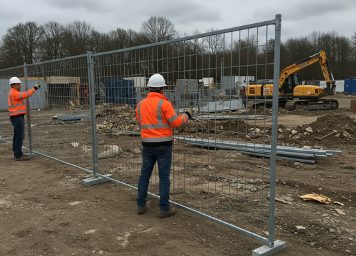
Stagecoach Louisiana’s Portable fencing is designed for speed and flexibility. It can be installed quickly, moved as the site evolves, and removed without disturbing the surrounding area. For projects that shift stages frequently, this adaptability is critical.
Final Thoughts
Portable fencing is an essential part of construction site safety. It protects people, secures equipment, keeps projects compliant, and helps maintain a professional jobsite appearance.
If you need durable, reliable fencing for your next project, Stagecoach Louisiana offers:
- Chain-link fencing
- Crowd-control barricades
- Privacy screens
- Gates & access control
- Delivery, setup, and removal